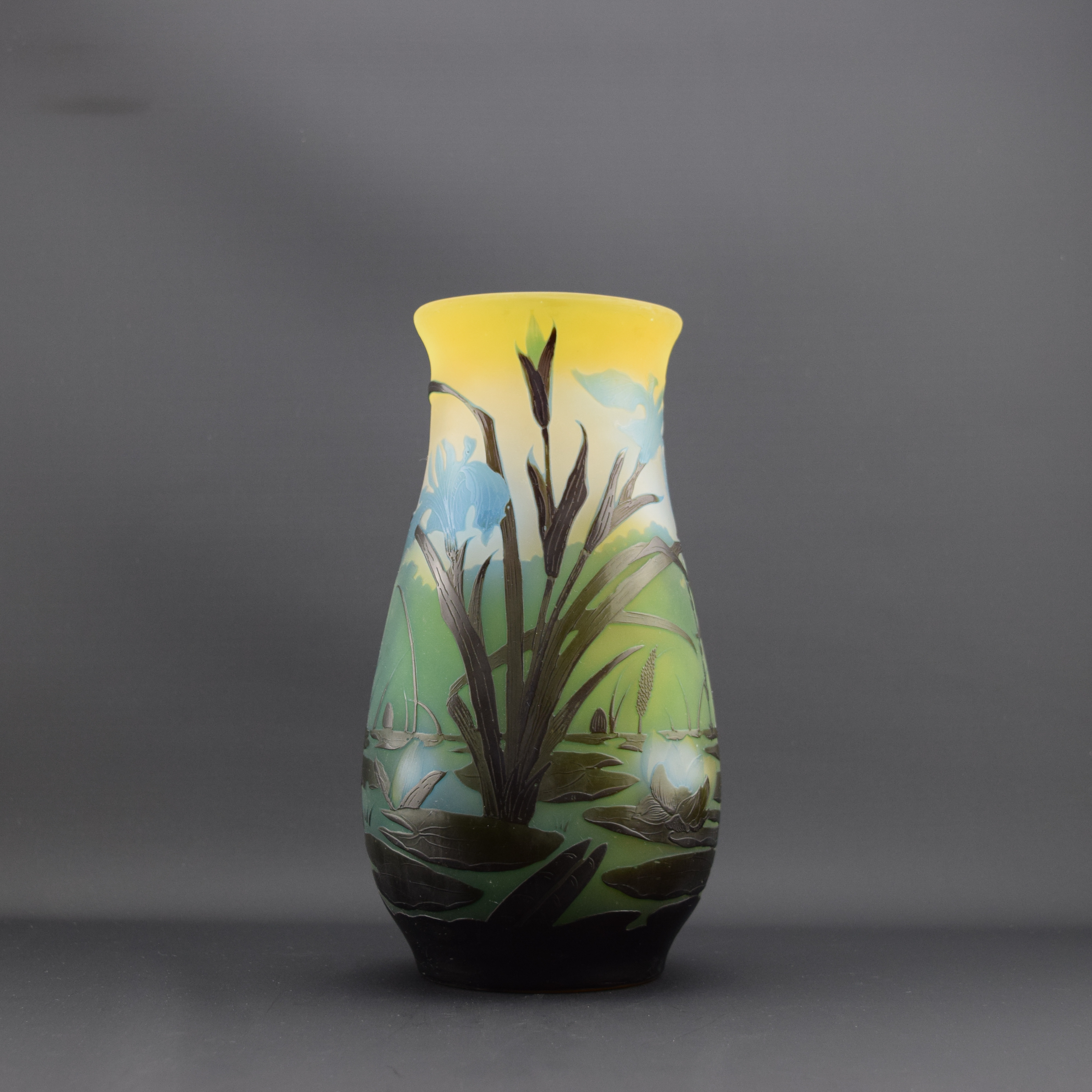
Emile Galle

1904 - 1946

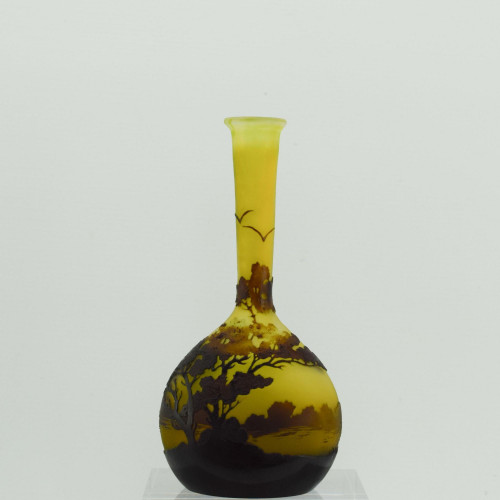
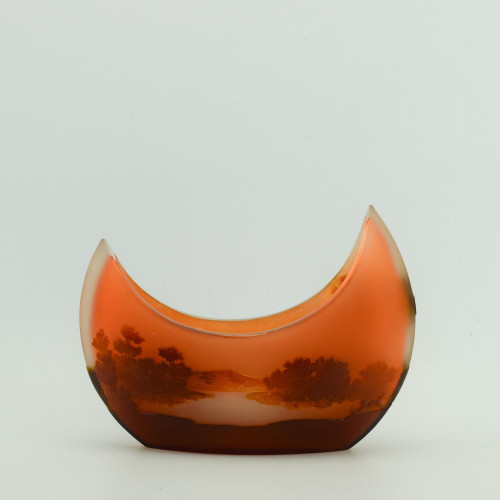
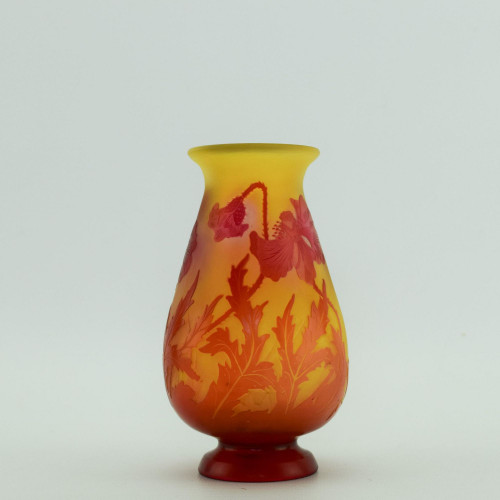
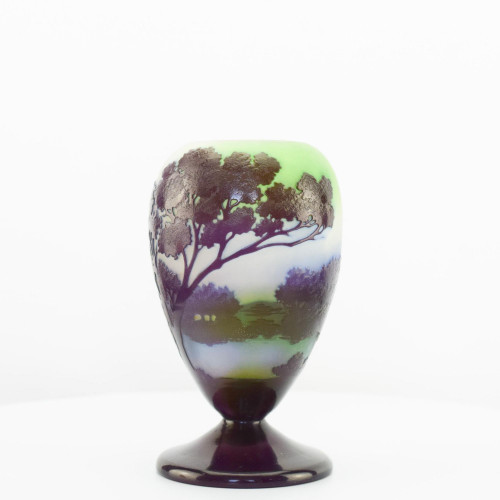
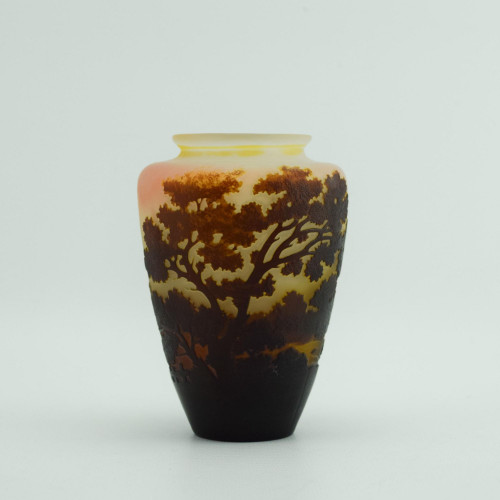
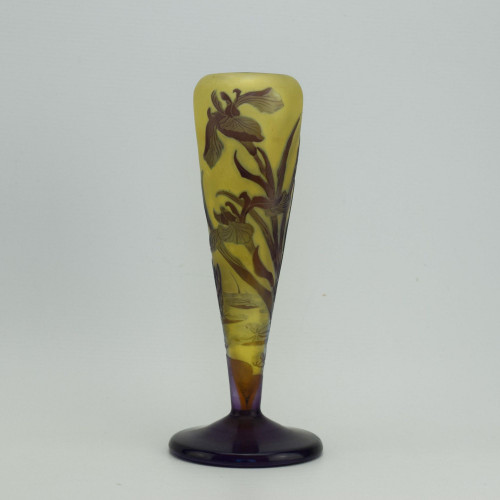
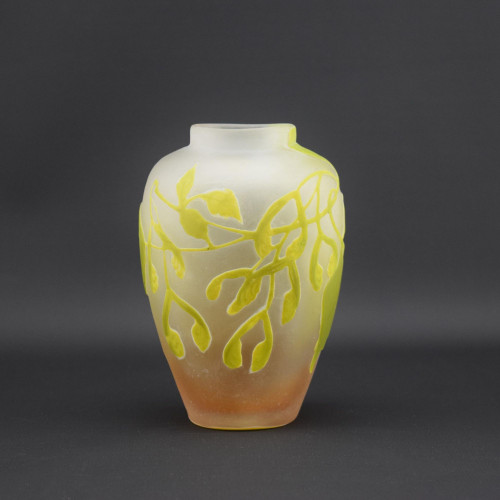
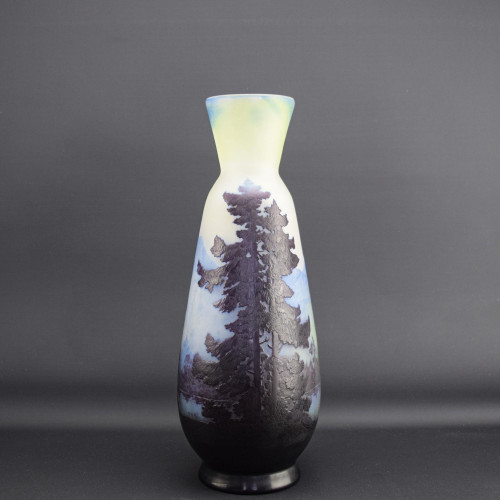
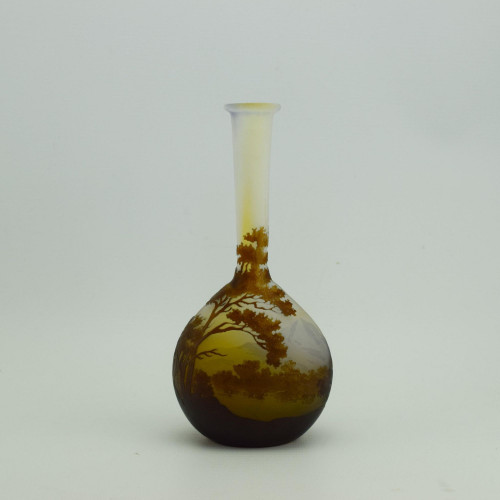
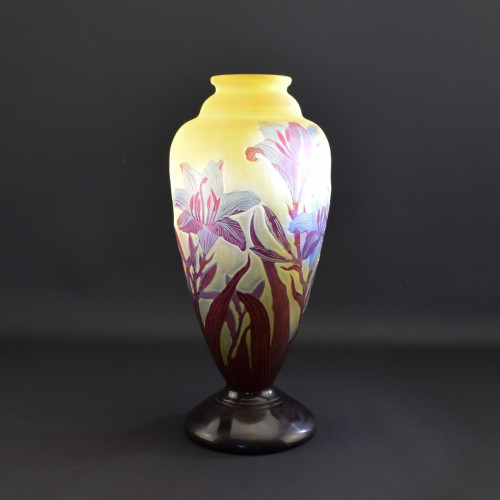
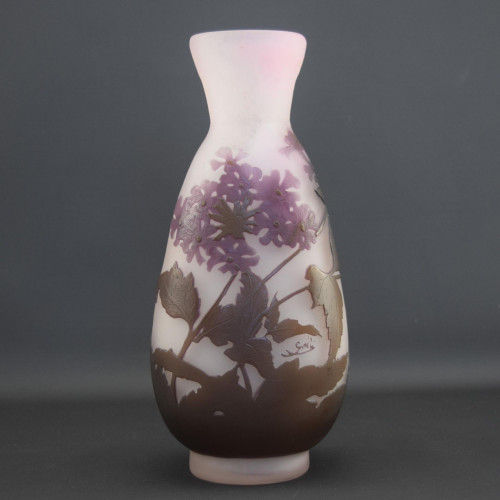
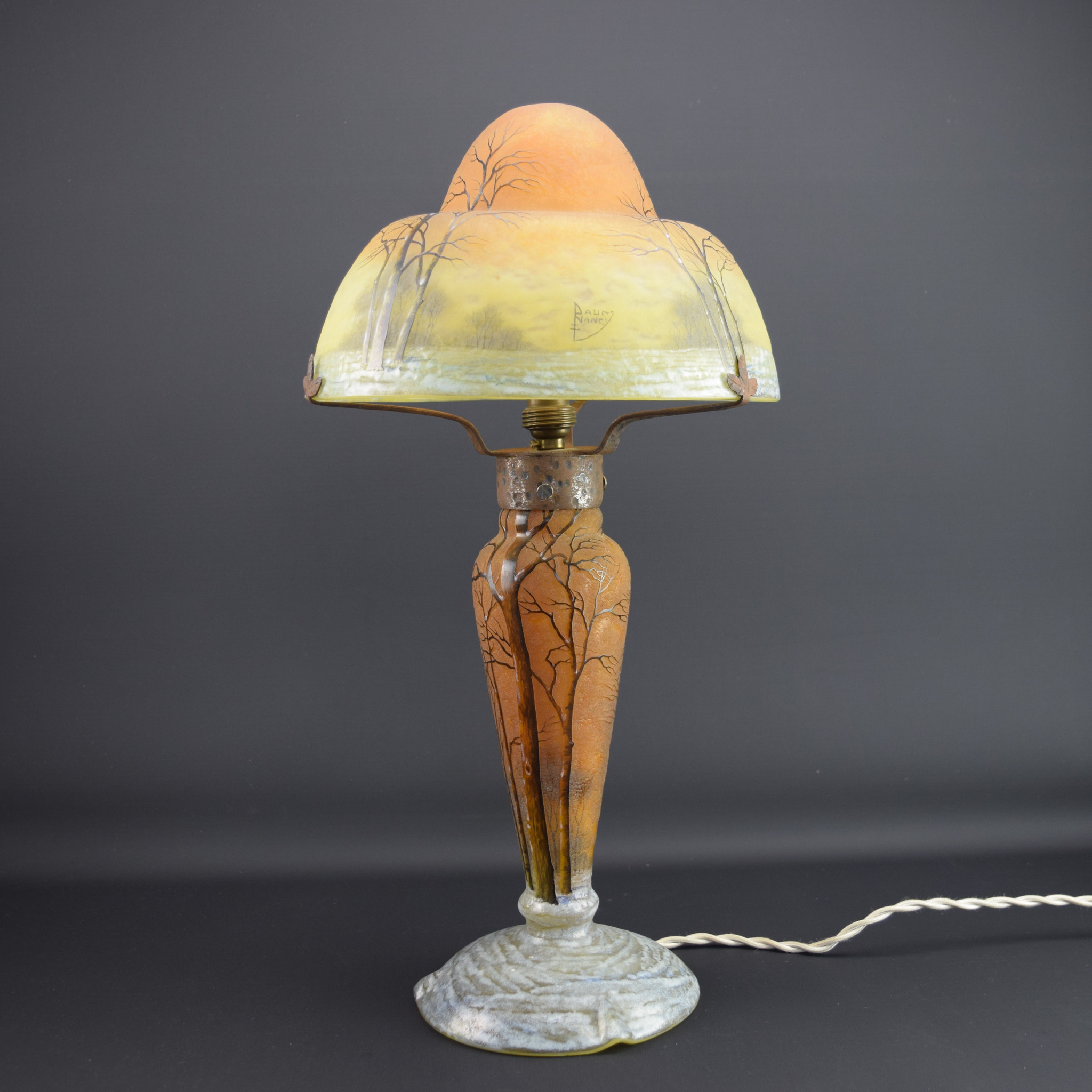
Émile Gallé: Creative Glassmaker The Guy Who Made Art Nouveau Cool Growing Up Émile Gallé was born on May 8, 1846, in Nancy, France. He grew up surrounded by creativity—his dad, Charles Gallé, ran a successful glass and ceramics business. This artistic home sparked Émile’s curiosity about art, science, and nature. He spent time studying philosophy, botany, and chemistry, both in his hometown and over in Germany, setting the stage for his future as an innovative artist. Getting Started After coming back to France, Émile stepped into the family business and gradually began making his mark. By the 1870s, he was running the show, steering the company toward making unique glassware and ceramics. These creations became some of the best examples of the Art Nouveau style. Making His Own Style Gallé’s work stood out for its clever techniques and amazing beauty. He loved nature and often filled his designs with flowers and animals. He didn’t shy away from trying new methods either—like cameo glass, enamelling, and marquetry—to make his pieces extra special with bold colours and detailed patterns. He also led the way in using fresh glassmaking tricks, such as acid etching and wheel carving. Thanks to his focus on craft and creativity, Gallé helped shape what people thought of as beautiful in the late 1800s, and collectors all over Europe wanted his art. Bringing People Together In 1901, Gallé helped start the École de Nancy, a group of artists and designers who wanted to make Art Nouveau really take off in France. Their big idea was to blend art

Émile Gallé: Creative Glassmaker The Guy Who Made Art Nouveau Cool Growing Up Émile Gallé was born on May 8, 1846, in Nancy, France. He grew up surrounded by creativity—his dad, Charles Gallé, ran a successful glass and ceramics business. This artistic home sparked Émile’s curiosity about art, science, and nature. He spent time studying philosophy, botany, and chemistry, both in his hometown and over in Germany, setting the stage for his future as an innovative artist. Getting Started After coming back to France, Émile stepped into the family business and gradually began making his mark. By the 1870s, he was running the show, steering the company toward making unique glassware and ceramics. These creations became some of the best examples of the Art Nouveau style. Making His Own Style Gallé’s work stood out for its clever techniques and amazing beauty. He loved nature and often filled his designs with flowers and animals. He didn’t shy away from trying new methods either—like cameo glass, enamelling, and marquetry—to make his pieces extra special with bold colours and detailed patterns. He also led the way in using fresh glassmaking tricks, such as acid etching and wheel carving. Thanks to his focus on craft and creativity, Gallé helped shape what people thought of as beautiful in the late 1800s, and collectors all over Europe wanted his art. Bringing People Together In 1901, Gallé helped start the École de Nancy, a group of artists and designers who wanted to make Art Nouveau really take off in France. Their big idea was to blend art

and everyday life, and Gallé pushed for things to be not just beautiful but practical too. Thanks to him, the Nancy School became a major player in decorative arts. Who He Was and Why He Matters Gallé wasn’t just about making art; he cared deeply about people and ideas. He supported social justice and shared his beliefs through his work. His writing on art, nature, and society showed his thoughtful side and his drive to make the world better. Émile Gallé died on September 23, 1904, in Nancy, but his influence still shines. His glass and furniture are prized in museums and collections around the globe. Gallé’s mix of natural inspiration, skill, and big ideas keeps artists and designers inspired, even now.

80 ITEMS